

What Animal Does Plato Portray Thrasymachus As In The Republic
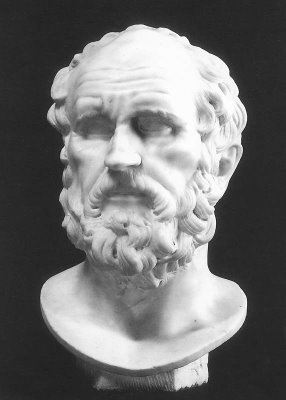
According to Plato, the notion of justice is a person fulfilling his or her appropriate role in society and consequently giving back to society what is owed by them. On the other paw, Thrasymachus' notion of justice is the survival of the fittest.
Those who are stronger will overpower those less able to overcome them. Co-ordinate to Thrasymachus the stronger volition prevail over those weaker than them in the boxing and hold the power. "Thrasymachus' argument, is that the life of the unjust homo (here understood as a true tyrant) is more blessed than that of the just man.
Plato refutes Thrasymachus' statement and designating the well-nigh blest life as that of the just man and the about miserable life as that of the unjust human being" (Brickhouse & Smith, 2012). Plato believes that the moral and only man in society will prevail over the tyrant by doing what is right and just for all.
In Plato'south work, The Republic, the chief focus of this publication is representative of the conflict of theories between Plato and Thrasymachus. The Republic possesses the question of "Is Justice better than Injustice? And volition an unjust human being fare better than a But human?" (Plato).
Thrasymachus' agreement of justice and injustice is as follows "justice is what is advantageous to the stronger, while injustice is to one's ain profit and reward" (Plato, 2004). Thrasymachus believes that the just human is solely working for their own do good and not for the good of the whole just like the unjust man who uses his strength to gain power and prestige.
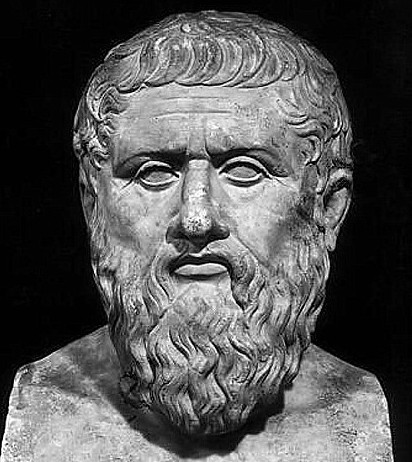
Thrasymachus believes that people who are given the power to do injustice would exercise so as long and they would not have to deal with or face the penalisation of such injustice. He feels that homo has the right to merits a power and then long every bit he has the strength to do and so and can get away with it non having to face any moral or legal penalization for doing then.
While on the other hand, Plato believes that people are inherently good and will practice what is morally right and but for the whole of lodge. They will earn their right to power and ensure fairness for all then every bit to forbid tyrants from trying to have command. In terms of why it is all-time to be only rather than unjust for the individual, Plato offers upwards 3 main arguments to this question.
"Plato says that a tyrant's nature will leave him with horrid pains and pangs and that the typical tyrant engages in a lifestyle that will be physically and mentally exacting on such a ruler. Such a disposition is in dissimilarity to the truth-loving philosopher rex, and a tyrant never tastes of true freedom or friendship. The second argument proposes that of all the different types of people, simply the Philosopher is able to judge which type of ruler is all-time since only he can encounter the form of the good.
Thirdly, Plato argues, Pleasures which are approved of by the lover of wisdom and reason are the truest." In sum, Plato argues that philosophical pleasure is the just truthful pleasure since other pleasures experienced past others are simply a neutral land free of hurting" (Blössner, 2007).
Plato is providing not only a power stand for man just a moral stand to help the individual soul of a person, exist integrated and orchestrated under a just and productive government. Among other things, this analogical reading solves the problem of sure implausible statements Plato makes concerning an platonic political democracy.
In a definitive treatment of the subject, co-ordinate to Blössner (2007), "the statement presents and argues for the case that the Republic is all-time understood equally an analysis of the workings and moral comeback of the private soul with remarkable thoroughness and clarity. This view, of class, does not preclude a legitimate reading of the Republic every bit a political treatise (the piece of work could operate at both levels). It only implies that information technology deserves more attending as a work on psychology and moral philosophy than it has sometimes received."
Plato and Thrasymachus both offering their ideas on the notion of justice equally they feel is correct and skillful for the individual and the metropolis. While Thrasymachus is focused on the ability of the human being and their position, Plato takes a more philosophical expect at justice and the ability of man. Human solitary is non true justice but it also encompasses his moral beliefs and actions in the metropolis.
Plato believes that man is more than simply his strength but also his moral beliefs and conduct. The purpose of right acquit and moral interpretation will brand a man stronger and powerful within the city than that of a human being who is willing to take power and control past his strength alone. A man is more powerful by being able to acquit righteous behavior and moral deportment than another man who gains his power by other means such as that of force or threats.
The basic premise of Plato and Thrasymachus is adept versus evil in the basic form of concept and theory. Or that of what is right and just over that of what is wrong and unjust in the basic terms of power and command injustice.
References
Blössner, Due north. (2007). The City-Soul Analogy, One thousand. R. F. Ferrari (Translator). In: G. R. F. Ferrari
(Ed.), the Cambridge Companion to Plato's Commonwealth, Cambridge University Printing, 2007.
Brickhouse, T, and Smith, Northward. (2012). Plato (c.427-347BC). The Cyberspace Encyclopedia of
Philosophy Academy of Tennessee, cf Dating Plato'south Dialogues. Retrieved Sept. 3,
2014.
Plato. The Republic. Plato – His Philosophy and his life, world wide web. Allphilosoohers.com. Retrieved
Sept. three, 2014.
Plato. (2004). "Book I Line 344c." Plato Republic. Indianapolis: Hackett, 2004

Source: https://schoolworkhelper.net/essay-notion-justice-plato-vs-thrasymachus/
Posted by: wolferemplume.blogspot.com
0 Response to "What Animal Does Plato Portray Thrasymachus As In The Republic"
Post a Comment